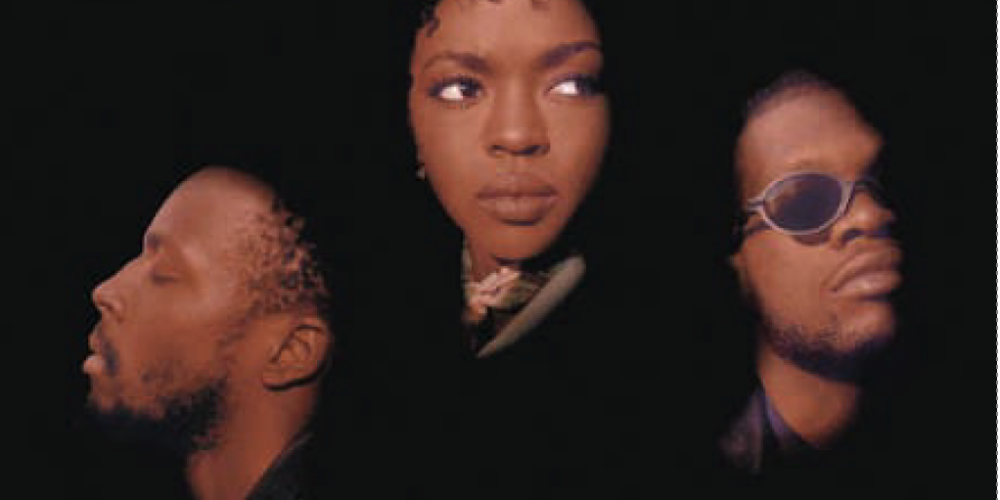
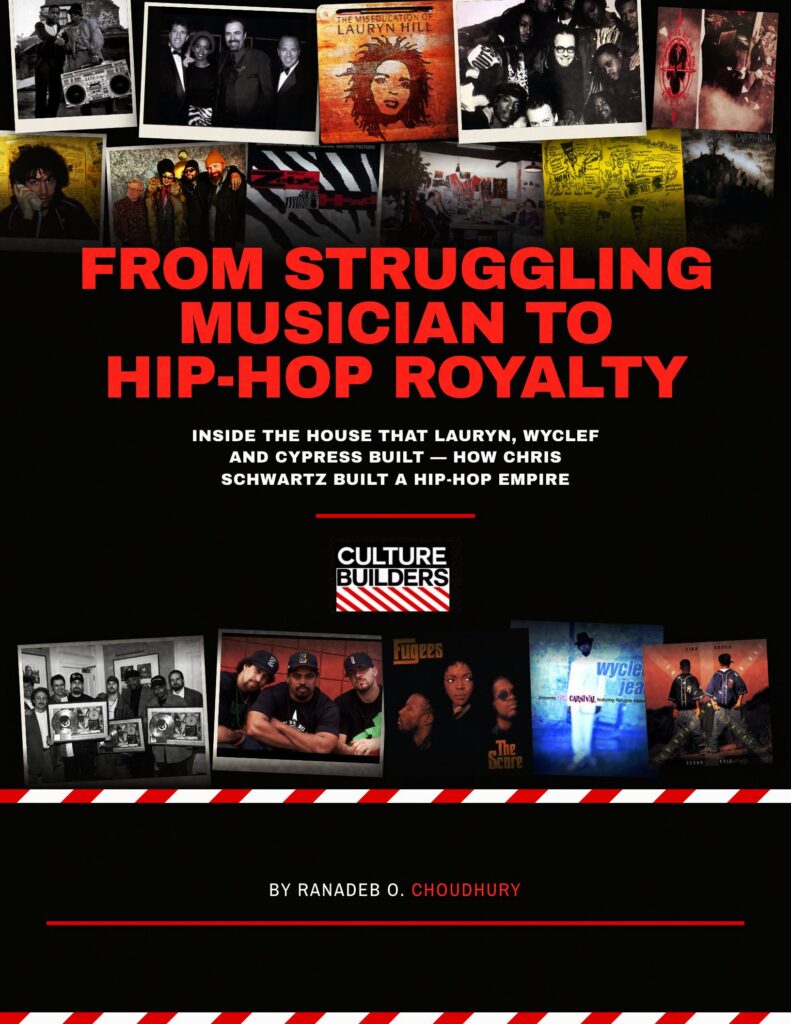
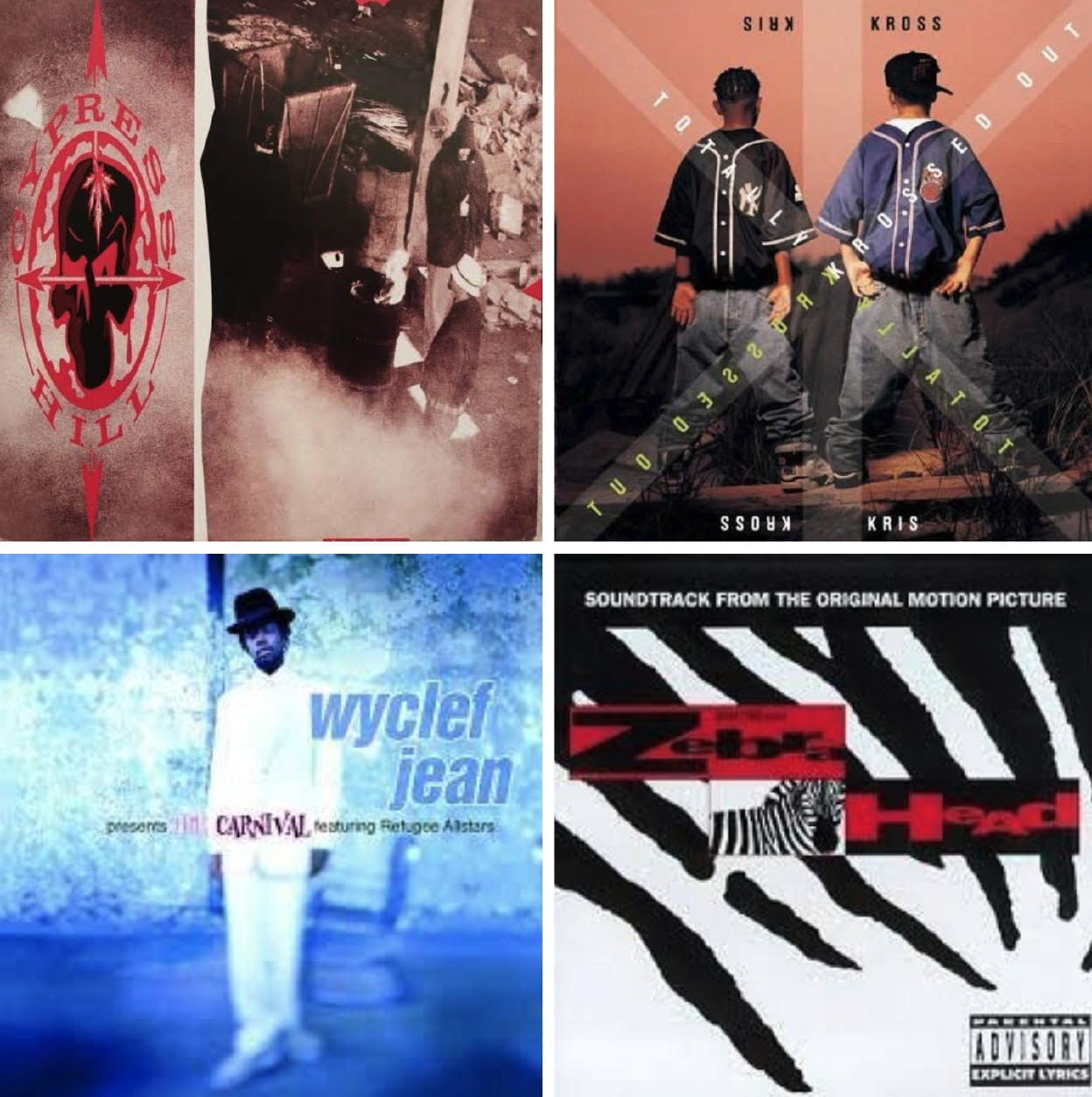
Some careers in music are built on inherited connections; Chris Schwartz built his on failure, hustle, grit, and an instinct for talent nobody else could hear yet. Beyond the platinum plaques and label politics, Chris was an architect of sound: a high school dropout and Navy veteran turned failed electronic musician who channeled his own “failed” dreams into building one of hip-hop’s most influential independent labels. From programming beats on a discontinued Roland TR 808 in a West Philly living room to co-founding Ruffhouse Records with producer Joe “The Butcher” Nicolo in 1987, his footprint is woven into the DNA of hip-hop history. He championed the Fugees, Ms. Lauryn Hill, Cypress Hill, Kris Kross, Nas, DMX, and hip-hop’s first gangster rapper, Schoolly D, among many others. Ruffhouse went on to sell nearly 200 million records worldwide, generate over a billion dollars in sales, and earn Chris more than 260 gold and platinum records. But he didn’t just catch a wave; he built the label, the relationships, and the risk tolerance that let artists everyone else passed on become superstars.
After spending time with Chris through my years working with him at Ruffhouse and RuffNation, it became clear that the records and headlines were only the beginning; his true legacy lies in the doors he kicked open for artists nobody else would bet on.
I first crossed paths with Chris’s world while working with Cypress Hill and Buzztone Management. I’ll never forget the day I received the advance cassette of the self-titled Cypress Hill’s debut album. What DJ Muggs created on that first album completely blew my mind and it sounded like nothing else on the planet. Little did Iknow where my journey working alongside Chris would take me from that day forward.
Here is Chris Schwartz co-founder of Ruffhouse Records, Culture Builder, and hip-hop pioneer in his own words.
Can you speak about Tangent, the electronic band you formed with Jeff Coulter, and how that early project impacted your career trajectory?
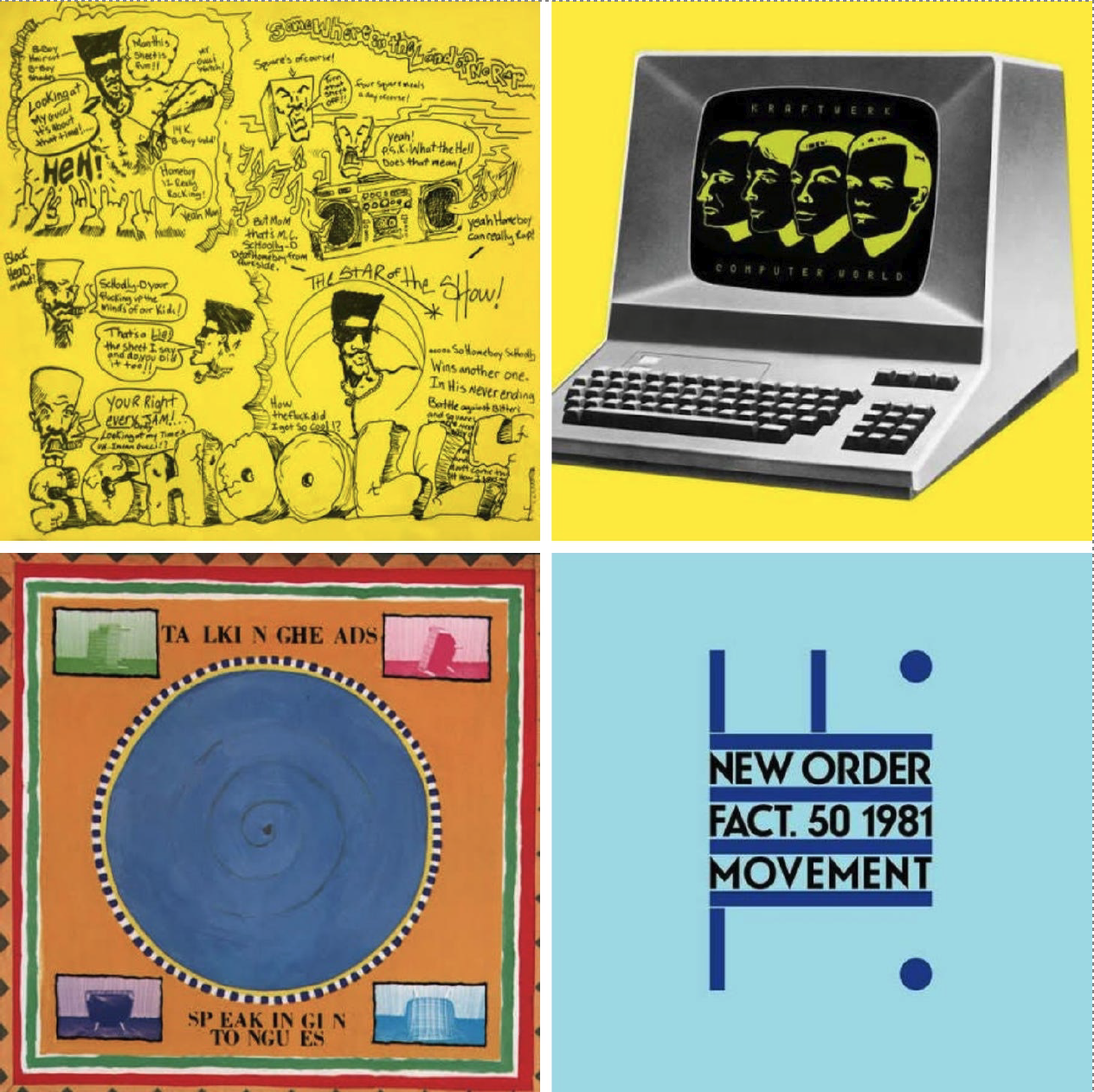
We were major fans of Kraftwerk, the iconic German electronic music group. When I was in the Navy, I played in various bands, attempting basic renditions of progressive jazz tracks like “Birdland” by Weather Report and a couple of Jean-Luc Ponty tracks, since we had a jazz violinist. It sounded good for a bunch of sailors. I bought a set of vibraphones and a synthesizer. Before I left Devon, Pennsylvania, my friend Jeff Coulter (who would later become head of administration for Ruffhouse) was primarily a drummer; he had a drum set up in a room in his house. When I came off active duty, the drum set
Can you speak about Tangent, the electronic band you formed with Jeff Coulter, and how that early project impacted your career trajectory?
We were major fans of Kraftwerk, the iconic German electronic music group. When I was in the Navy, I played in various bands, attempting basic renditions of progressive jazz tracks like
“Birdland” by Weather Report and a couple of Jean-Luc Ponty tracks, since we had a jazz violinist. It sounded good for a bunch of sailors. I bought a set of vibraphones and a synthesizer. Before I left Devon, Pennsylvania, my friend Jeff Coulter (who would later become head of administration for Ruffhouse) was primarily a drummer; he had a drum set up in a room in his house. When I came off active duty, the drum set was gone, and it was all keyboards. We started our own little electronic production entity. We made a cassette of our first batch of tracks and submitted it to two shows on the University of Pennsylvania’s college radio station WXPN, called “Diaspar” and “Star’s End”. They liked it, they played it, and soon we were getting booked for gigs, not major gigs, but respectable ones, some in association with WXPN and a few clubs that were prevalent in Philly during the post-punk/New Wave era.
Around that time, we joined a bigger group called Rhythm of Lines, which was primarily a mix of Talking Heads, Joy Division, and New Order influences. For the most part, it was a great experience, except Jeff and I wanted to move toward more of a dance configuration. The other members were committed to extremely odd time signatures. There was nothing wrong with that, but I personally saw the commercial potential in moving toward dance. We left that band and started to focus on commercial dance production.
The long and short of it is that the electro-funk movement, led by Afrika Bambaataa and the Soul Sonic Force, Arthur Baker, and Nucleus, was almost like a homecoming for us, because the biggest influence on that scene besides Bob James, the most sampled artist in hip-hop was Kraftwerk. The breakdance movement was rooted in tracks like “Trans-Europe Express” and “Numbers.”
How did you break into the music business?
Jeff and I moved to Philadelphia after I met film director Rich Murray, who lived in a house at 48th and Hazel. I was working in restaurants at the time. We had amassed a large collection of 12-inch dance records. We found a female singer who sounded like Teena Marie, did a gig at the Gallery shopping mall, and ended up being approached by a hip-hop group who asked us to do beats for them. This was 1982.
We had a Roland TR 808 drum machine. Most people had no idea what this machine was, but it was the very first programmable drum machine. Each instrument had a: kick, snare, hats, toms, woodblock and had its own separate output channel. It did not make for a great live instrument, because you could only program and store one track at a time, with an A/B variation. Up to then, most typical consumers were performers who used the CompuRhythm, which had only factory presets. As a matter of fact, Roland discontinued the 808 in 1982.
What inspired the founding of your early music management and marketing/promotion companies?
Basically, it was out of necessity. We recorded a rap group called Kidd Fresh in our house in West Philly, and one of the 12 inch records we had was on Virtue Records in North Philly. It was a recording studio above a check-cashing place at Columbia and North Broad, and it predated Sigma Sound Studios. The owner, Frank Virtue, had a label called Slice Records in partnership with Vince DeRosa of Soundmakers Pressing in New Jersey. Soundmakers pressed records for all the big independent labels in New York: Def Jam, Tommy Boy, Sleeping Bag, Select Records, Next Plateau, and Cutting Records.
I called Frank, went up there to see him, and played him my dance group and the demos we had recorded for the hip-hop group Kidd Fresh. Vince was there, and they listened to both cassettes. They hated my group but thought the hip-hop group had potential. I introduced them to the group, and they decided to sign them. My name was not on the contracts, but on the third night of recording, Vince DeRosa stuffed five $100 bills in my shirt pocket, and he did that most times he came up to the studio. Frank allowed me to bring in groups. In exchange, he did a contract with me for the dance group, and I agreed to help him with gospel sessions. Frank had a significant business recording church choirs and selling the records to the churches’ congregations at wholesale; some of those congregations numbered in the thousands.
Who were your key mentors as you came up in the industry, and what were the most valuable lessons you learned from them?
At the time, I had no mentors, but I made it my business to learn everything there was to learn about the music business. I read books and all the music trade publications of the time and became a student of the game.
How was Ruffhouse Records officially founded?
After spending a few years at Slice Records, I found a job at a small independent record company in West Philly called Nicetown Records. They put out records by Bunny Sigler and had a Bill Cosby album. I learned radio and retail marketing and promotion there. I wasn’t making a lot of money, and I was planning to leave to start my own label.
The day I was going to leave, I went to talk with the owner, Theodore “Ted” W. Wing, and saw a stack of records leaning against the wall. It was Schoolly D’s “Gangster Boogie.” I knew this song and this artist; he was clearly my favorite artist in Philly at the time. He had come in to meet with Ted about Nicetown distributing his records, and Ted turned him down.
My office was on the third floor of a building that housed a daycare center at 52nd and Parkside Avenue, so I had no idea Schoolly had met with Ted earlier that day. I went back upstairs, waited for Ted to leave, then went back down to his office and got Schoolly’s number from his Rolodex.
I called Schoolly, went to meet with him, and said, “Let me help with Schoolly D Records.” That was it. It was his label.
Earlier, when I was working for Ted, we had a session at Studio 4 Recording, and I was talking with the engineer, Joe Nicolo. After about ten minutes of conversation, we discovered our mutual desire to start a record label. I worked at Nicetown for a few more months and then launched Ruffhouse with Joe.
Schoolly D famously influenced Chuck D to begin rapping.
How do you view the ripple effect of that early Philly-to-New York influence?
Chuck told me he became a rapper because of Schoolly. Public Enemy was the influence for Cypress Hill. Ice-T and N.W.A were clearly influenced by Schoolly D, who, after “Gangster Boogie,” did “P.S.K. What Does It Mean?” / “Gucci Time,” which were the first-ever gangster rap records.
Schoolly D was the first U.S. rap act to tour Europe.
What challenges and triumphs came with bringing American gangster rap overseas?
There were groups there before us, but we were the first organized tour, and we blazed a trail through Scotland, New Zealand, and Australia. People had never seen a DJ and an MC together outside of the America. There was a Big Audio Dynamite tour full of The Clash fans, and out of a venue of 3,000 people, maybe 50 knew who Schoolly was. But once
“P.S.K.” / “Gucci Time” blew up, Schoolly’s career went crazy in Europe!
Having been closely connected to early Philly hip-hop acts like Schoolly D, Steady B, and Cool C, how did the raw reality of the local scene shape your management style and label leadership?
I don’t know about management style and leadership, because I kind of made it up as I went along. But working with Schoolly taught me a lot and created the foundation for everything else I would do in the music business.
How did Joe Nicolo’s production philosophy embracing raw, dirty drum sounds shape the signature Ruffhouse sound?
Joe listens to the artist. Most white engineers in the early ’80s had a first instinct to make everything clean and sterile. Joe did something that was counterintuitive at the time: he made it bombastic and dirty. He’s an amazing sound engineer and a dope mixer.
Did you ever push back against Joe Nicolo’s raw production approach?
Why would I push back against it? Joe’s mixing was dope AF. What I respected about Joe was that he listened to the artist. At a time when many engineers instinctively wanted everything clean and polished, Joe understood that the dirt and impact could be essential to the record. He was willing to preserve that character.
The question was always whether the sound served the artist. A technically pristine mix can lose the very thing that makes a record exciting. Joe understood that, and it was a major part of what he brought to Ruffhouse.
How did you manage corporate distribution partnerships (like Columbia/Sony) while preserving Ruffhouse’s independent spirit?
At first, I sucked at it. In 1988, we went from Enigma Records to CBS Records, and it was rare to have a deal with a major distribution power like CBS, so I was trying to be careful not to rock the boat. Then we had major success, and for about the first four years, I didn’t realize I had any power, and I agreed to things I maybe should have thought through. Be that as it may, we still had tremendous success with Columbia/Sony.
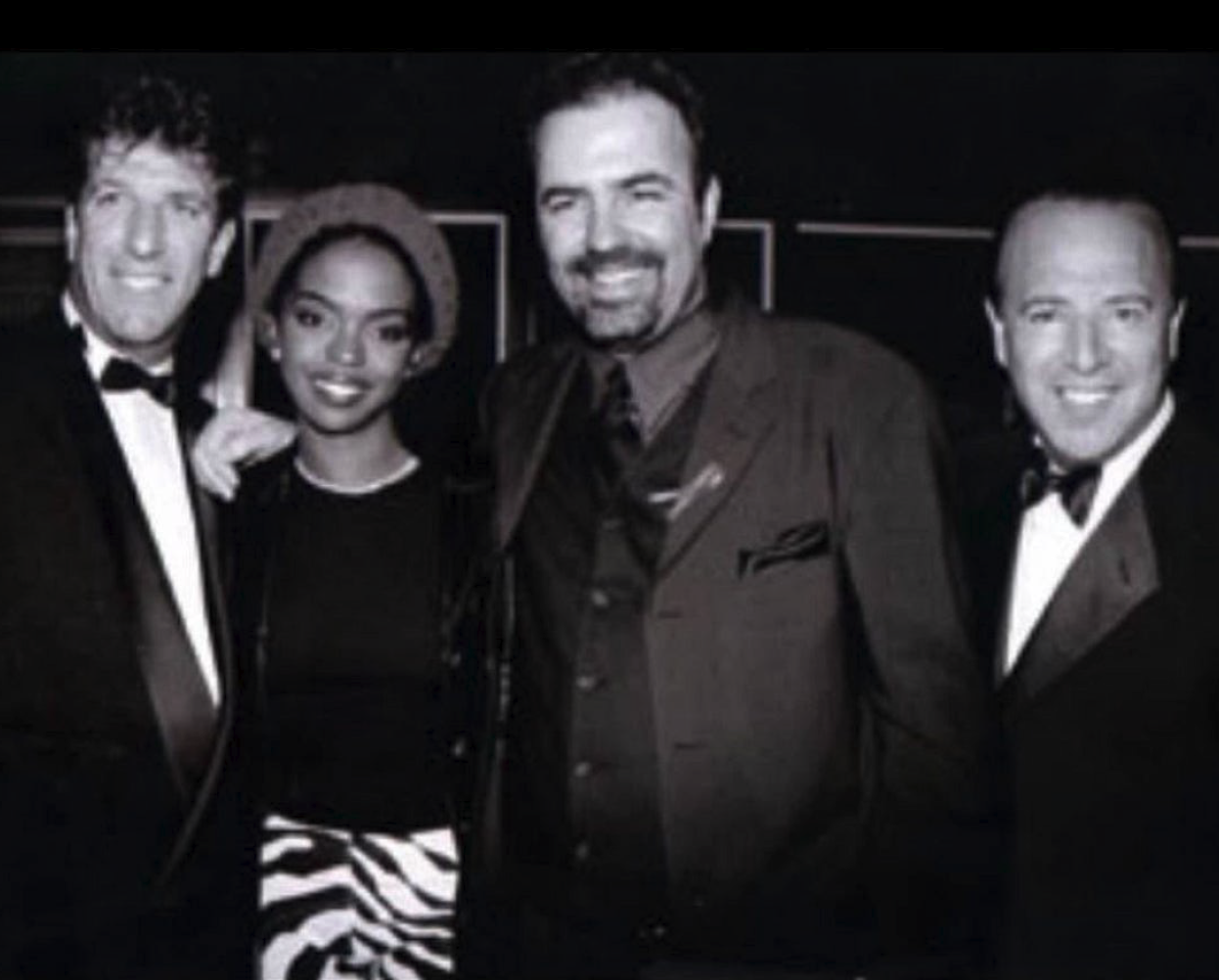
What did you learn from Tommy Mottola?
I learned how much power matters in this business, and how important it is to understand your own position. In our early years with Columbia, I was so grateful to have major distribution that I was careful not to rock the boat. Even after we became successful, it took me time to realize how much bargaining power we had. The lesson was to respect the relationship while understanding the value you were bringing to it.
What did you learn from Chris Blackwell?
Chris has been a friend and mentor. One of the biggest lessons was understanding the actual economics of the business. There are several places where a major company makes money: manufacturing, distribution, international sales and you have to understand all of them to understand your own position. Having successful artists gives you leverage, but you have to recognize that leverage and know how to use it.
How did you handle the intense pressure from major labels attempting to buy out or co-venture with Ruffhouse during the mid-’90s boom?
We were already with a major. The major-label colonization occurred between ’89 and ’91. MTV and the majors became the death knell for most independent labels unless they did co-ventures, like Tommy Boy Records, Interscope Records, and Def Jam Records.
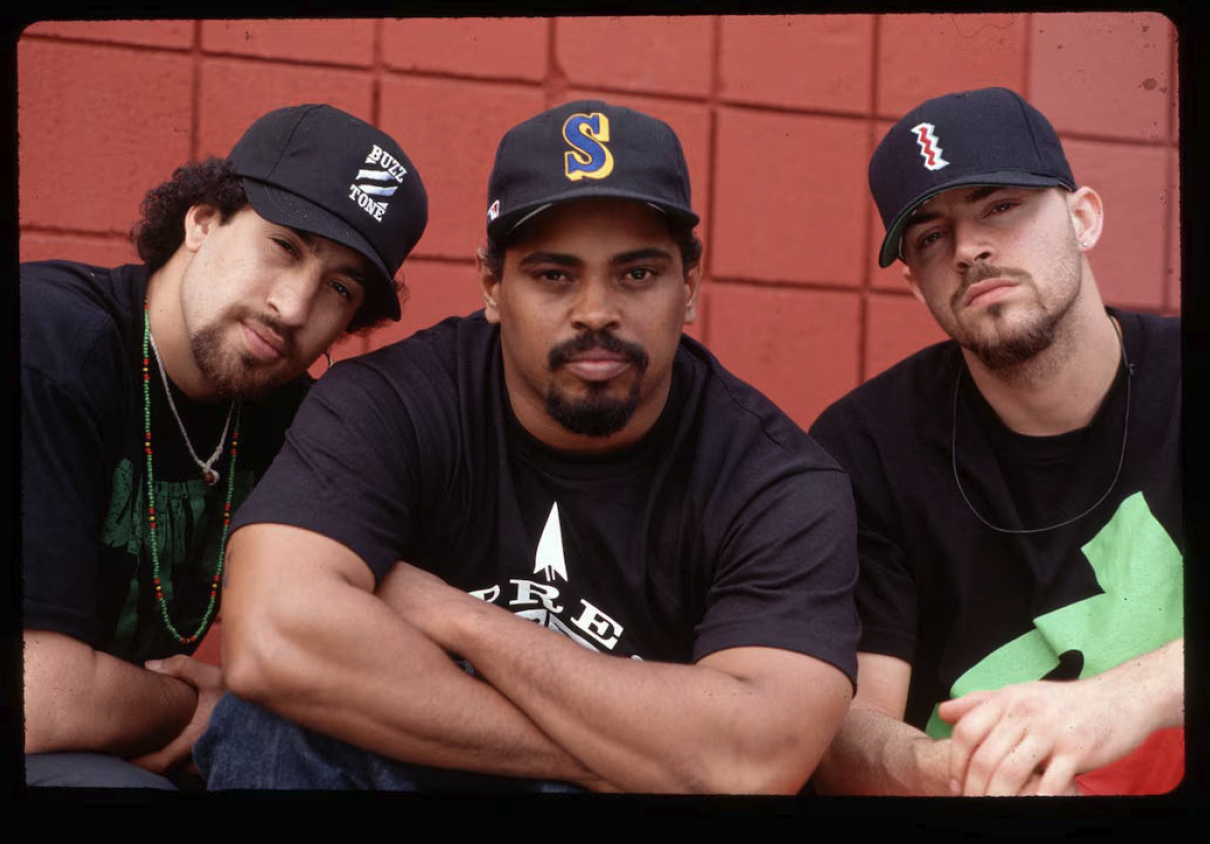
How did you end up signing Cypress Hill to Ruffhouse?
We went to meet with Kevin Woodley at Columbia Records in New York. He no longer worked there, so they had us meet with Kurt Woodley, Kevin’s replacement (no relation). Kurt told us he didn’t think the Larry Larr record was going to happen, because storytime rap was over and the repertoire was getting more street-oriented.
Joe had mixed Mellow Man Ace in L.A. Mellow Man is Sen Dog’s brother, and Sen gave him a tape of Cypress Hill. I had marketed the 7A3 records for Mio Vukovic at Geffen Records, and 7A3 was a group produced by DJ Muggs, so it was full circle. After the meeting with Kurt, we were leaving, and I remembered the Cypress Hill cassette in my pocket. As we were walking, I said, “Kurt, listen to this.” Kurt called me at 10 p.m. that night and said he had played it for Donnie Ienner, president of Columbia, and they said we needed to sign this group.
We offered a singles deal, then an album deal. Our offer was the lowest of all the labels, but we were the only label that didn’t tell them what they could and couldn’t rap about, so they went with us.
Cypress Hill modeled part of their production approach after the Bomb Squad and Public Enemy. Can you speak to that connection?
The influence was conscious on Muggs’s part. He has talked about the Bomb Squad’s approach to layering samples, along with influences like Ultramagnetic MCs and EPMD. But he turned those influences into something distinctly his own. Cypress Hill had this dark, hypnotic atmosphere, and B Real and Sen Dog’s voices made it immediately recognizable. You could hear where the music came from while also hearing something completely new.
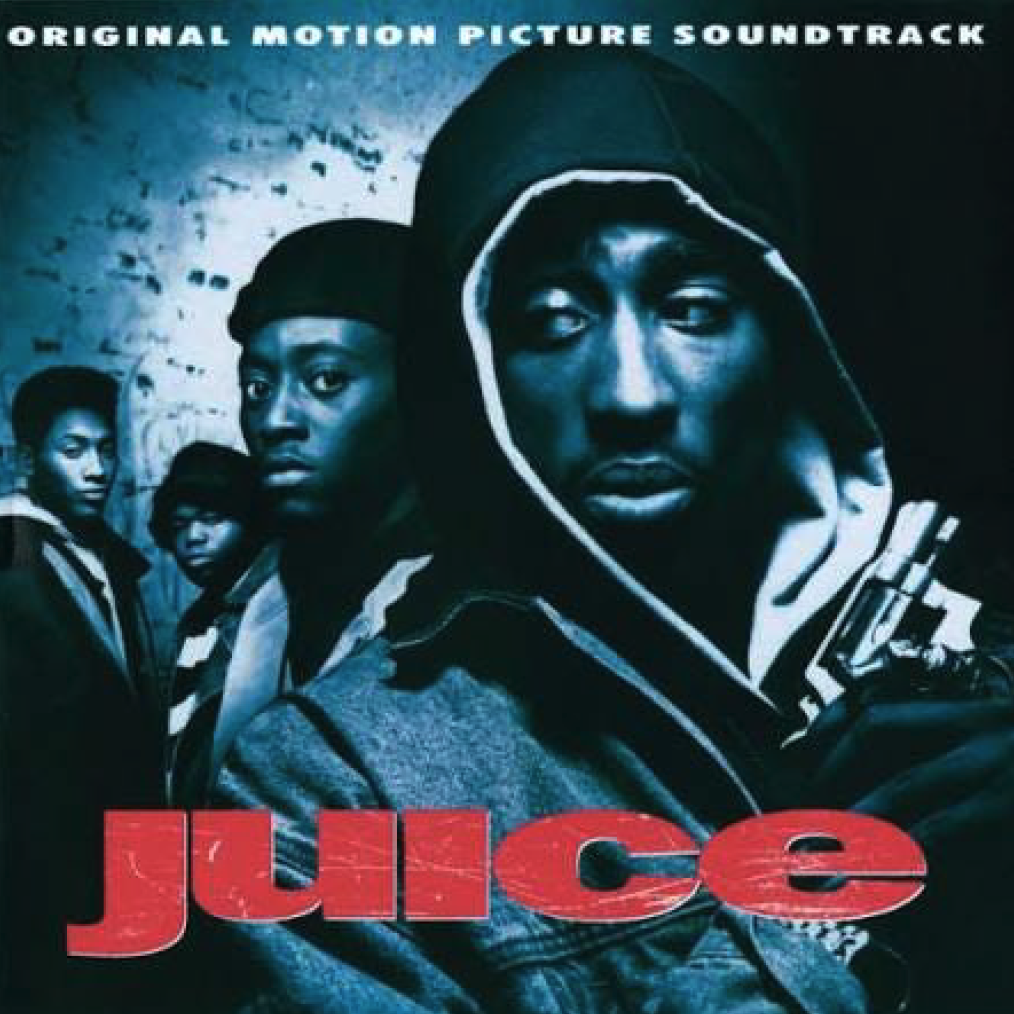
How did the Juice soundtrack and film help set the foundation for Cypress Hill’s mainstream breakthrough?
“How I Could Just Kill a Man” which Chuck D was instrumental in getting placed in the film, opened up a whole new constituency of fans and really helped blow up their first album.
How did the signing of Kris Kross come about, and what was the strategy behind breaking a youth act on a global scale?
Michael Mauldin and Jermaine Dupri, whom we knew from Silk Tymes Leather on Geffen, introduced me to the group. Ruffhouse was really Jermaine’s first home for So So Def.
What was the initial internal reaction to “Jump,” and did you anticipate its massive crossover success?
I did not care for the song, but I understood its mass appeal.
How did Rosie Perez help introduce Kris Kross to a national television audience?
She booked them on In Living Color when they had no audience recognition and no music out yet. That really put the group on another level. You have to remember there was no YouTube or social media back then, so television was huge for breaking a new artist.
What is the story behind Nas and Ruffhouse, and why did that deal not materialize?
The deal did materialize. Faith Newman brought him into Columbia, and behind closed doors, senior management and some outside influences told Faith to take it to Ruffhouse; if we wanted to do it, they would support it. At the time, we had significant sums of money owed to us in pipeline revenues, but contractually they weren’t due until certain dates in the future. So Columbia figured that if Ruffhouse did it and it failed, the money would be deducted from our pipeline revenues; if it blew up, Columbia would make money from its share of revenues, distribution, and manufacturing.
So Nas signed with Ruffhouse. But months later, once Columbia/Sony realized just how big Nas was going to be, Donnie Ienner asked us to sell our interest in the record back to Columbia, because he was in hot water with Tommy Mottola.
What would you have done differently with Nas?
First, the deal did materialize. Nas signed with Ruffhouse, and Columbia later asked us to sell our interest back when they recognized how significant he could become. That distinction matters.
Looking back, I would have understood our leverage sooner and negotiated harder around giving up that interest. Our pipeline revenues protected Columbia if the project failed. Once the upside became apparent, our participation had real value. I would have approached that conversation with a clearer understanding of what we were surrendering.
What is the story behind DMX and Ruffhouse, and how did that situation unfold?
Kurt Woodley brought us DMX and “Born Loser” as a singles deal. We put it out, and when we went to exercise the option for the next record, we realized the option had expired the week before. He was already entrenched with Ruff Ryders, so we missed out.
Did losing DMX change how you handled contracts and deadlines?
We released “Born Loser” under a singles deal. When we went to exercise the next option, we discovered it had expired a week earlier, and he was already involved with Ruff Ryders.
The lesson is that administrative details can carry enormous creative consequences. You can recognize the talent and believe in the artist, but you still have to protect the opportunity. An option deadline needs a clearly assigned owner and enough advance notice to make a deliberate decision.
What was the significance of Rose Pierce to the early success and operations of Ruffhouse, and what was her connection to the Fugees?
She ran our retail marketing and did an amazing job for us. Rose received a demo of a group called Tranzlator Crew from Hassan Sharif, an actor from New York. She pressed me hard to check it out, and a few weeks later I did. We signed the group and changed the name to the Refugees, and finally the Fugees.
What were your initial impressions when you first saw the Fugees perform live?
It was a little messy, but we loved it.
Is it true that you didn’t immediately recognize Lauryn Hill’s breakout potential during that first performance?
Absolutely true. There were seven or eight people performing at the audition.
Whose career took a direction you never predicted?
Lauryn Hill is a strong example. I’ve admitted that I didn’t immediately recognize her individual potential at the first audition. Seven or eight people were performing, and I was taking in the group as a whole.
What followed from the Fugees to The Miseducation of Lauryn Hill shows how much an artist can reveal over time. You can recognize that something is special without fully understanding the scale of what it may become.
What was the vision behind changing the name from Tranzlator Crew to the Fugees for their debut album, Blunted on Reality?
There was a marquee rock group called Translator, and they were talking about regrouping, so we had to change the name. The strength of the new name was that it expressed an identity. “Fugees,” coming from “refugees,” connected to the group’s Haitian roots and to a wider feeling of displacement and belonging. It gave people something to connect with beyond the music. The group already had a distinctive combination of rapping, singing, and live musicianship; the name helped communicate who they were.
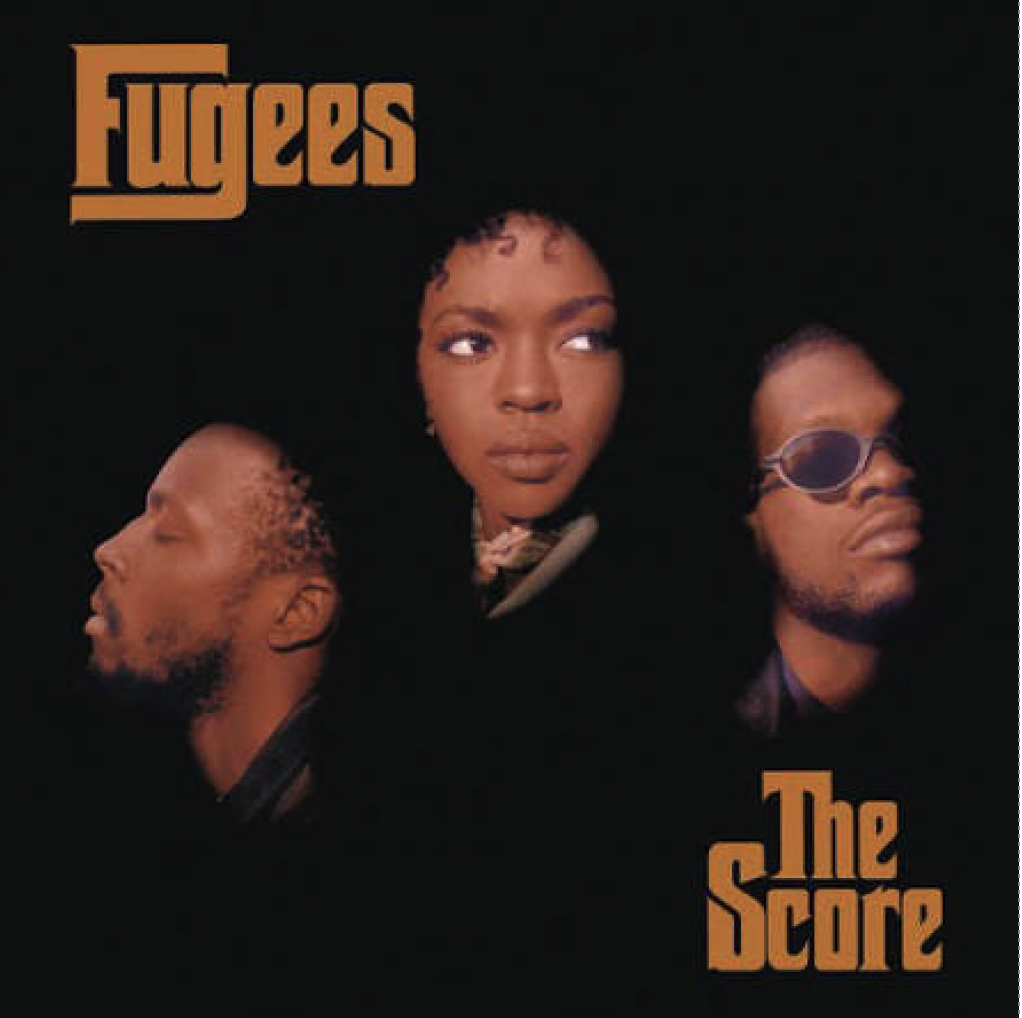
What clicked creatively during the recording of The Score that elevated the group to superstar status?
What clicked was that they had been on tour. When artists are out doing their first round of shows, they’re constantly picking up on audience nuances, like which parts of songs become dynamic moments. When they go to write their second record, the live show becomes a subconscious writing partner. Overall, it makes for a great record. The creative process never stops.
Can you share the story of when you asked me to service Lauryn Hill’s “Lost Ones” 12-inch single to college radio, club DJs, mixtape DJs, and radio mixshow DJs, and how Columbia Records was upset because we didn’t give them any of the white-label 12-inch vinyl? I still vividly remember Michael Mauldin calling us both out at the Impact Convention in Reno, NV.
I remember when The Miseducation of Lauryn Hill was about to drop, we did an exclusive limited-edition white-label 12-inch for “Lost Ones,” and I asked you to send it out to all the right people: radio DJs, club DJs, tastemakers, radio mixshow DJs, and PR folks. We didn’t tell Columbia what we were doing, and that white-label 12-inch was a major factor in the huge success of The Miseducation of Lauryn Hill. Yeah, Columbia was mad at both of us.
Were there acts others championed that you passed on?
House of Pain, Arrested Development, and Alicia Keys are among the acts I’ve discussed passing on. Those examples show that having a successful track record doesn’t mean you recognize every opportunity.
Rose’s role with the Fugees illustrates why you need people around you who will challenge your first reaction. Someone else may hear something you haven’t heard yet. You have to give that enthusiasm a fair hearing.
What were the internal dynamic shifts between key staff and artists as revenue surged past the multimillion-dollar mark?
None really, except that Columbia started taking a sense of proprietorship over the Fugees after they blew up, which was sometimes a little annoying.
How did you navigate the East Coast–West Coast rap beef during an era when Ruffhouse bridged geographically diverse acts like Cypress Hill and East Coast–based artists?
Nobody ever gave me or the label a problem, because I took the position that I was a facilitator of artists, and I didn’t tell the artists what they could or couldn’t say behind the mic. The Tim Dog project did not impact us in any way.
What was the closest Ruffhouse came to going under, and what saved it?
We never came close, although we were hard-pressed to make overhead stretch. One thing people should understand is the difference between generating revenue and having access to cash. We had substantial money in the pipeline that wasn’tcontractually payable yet. From the outside, successful records can make a business look financially comfortable, while the company still has obligations to meet like monthly overhead costs.
How did personal struggles with substance abuse impact label operations and personal relationships during the label’s peak years?
It did not really impact the label, because I was an addict who showed up for work. But being a functioning addict was not a great way to live.
What decision from the addiction years would you make differently?
I would have addressed the addiction earlier. I’ve said that I showed up for work and that the label continued to function, but I also said it wasn’t a good way to live. Showing up and producing results can make it easier to postpone dealing with a personal problem.
Looking back, I would give my own well-being the same attention I gave the artists and the company.
Looking back, what critical factors or disagreements ultimately led to the dissolution of the original Ruffhouse Records label?
It wasn’t really a disagreement. As the label grew, Joe “The Butcher” Nicolo and I would actually have our meetings in the men’s bathroom, because it was the only place we could get privacy. When we bought the building in Conshohocken, Pennsylvania, to house Studio 4 Recording, the studio grew and we ended up with about eight studio rooms and the Ruffhouse staff grew with it. Joe and I both had our loyalists underneath us, and I think it was really that Joe wanted to build his own footprint as a producer and engineer; he worked on records for other labels. It started not to make sense to me that I dealt with everything Ruffhouse-related while Joe collected half the money.
Looking back, he and I never actually argued; we basically let things go that annoyed each other. But it got to a point where Joe wanted the label staff there at 8 a.m. on Tuesday mornings contractually payable yet. From the outside, successful records can make a business look financially comfortable, while the company still has obligations to meet like monthly overhead costs.
How did personal struggles with substance abuse impact label operations and personal relationships during the label’s peak years?
It did not really impact the label, because I was an addict who showed up for work. But being a functioning addict was not a great way to live.
What decision from the addiction years would you make differently?
I would have addressed the addiction earlier. I’ve said that I showed up for work and that the label continued to function, but I also said it wasn’t a good way to live. Showing up and producing results can make it easier to postpone dealing with a personal problem.
Looking back, I would give my own well-being the same attention I gave the artists and the company.
Looking back, what critical factors or disagreements ultimately led to the dissolution of the original Ruffhouse Records label?
It wasn’t really a disagreement. As the label grew, Joe “The Butcher” Nicolo and I would actually have our meetings in the men’s bathroom, because it was the only place we could get privacy. When we bought the building in Conshohocken, Pennsylvania, to house Studio 4 Recording, the studio grew and we ended up with about eight studio rooms and the Ruffhouse staff grew with it. Joe and I both had our loyalists underneath us, and I think it was really that Joe wanted to build his own footprint as a producer and engineer; he worked on records for other labels. It started not to make sense to me that I dealt with everything Ruffhouse-related while Joe collected half the money.
Looking back, he and I never actually argued; we basically let things go that annoyed each other. But it got to a point where Joe wanted the label staff there at 8 a.m. on Tuesday mornings
What clicked creatively during the recording of The Score that elevated the group to superstar status?
What clicked was that they had been on tour. When artists are out doing their first round of shows, they’re constantly picking up on audience nuances, like which parts of songs become dynamic moments. When they go to write their second record, the live show becomes a subconscious writing partner. Overall, it makes for a great record. The creative process never stops.
Can you share the story of when you asked me to service Lauryn Hill’s “Lost Ones” 12-inch single to college radio, club DJs, mixtape DJs, and radio mixshow DJs, and how Columbia Records was upset because we didn’t give them any of the white-label 12-inch vinyl? I still vividly remember Michael Mauldin calling us both out at the Impact Convention in Reno, NV.
I remember when The Miseducation of Lauryn Hill was about to drop, we did an exclusive limited-edition white-label 12-inch for “Lost Ones,” and I asked you to send it out to all the right people: radio DJs, club DJs, tastemakers, radio mixshow DJs, and PR folks. We didn’t tell Columbia what we were doing, and that white-label 12-inch was a major factor in the huge success of The Miseducation of Lauryn Hill. Yeah, Columbia was mad at both of us.
Were there acts others championed that you passed on?
House of Pain, Arrested Development, and Alicia Keys are among the acts I’ve discussed passing on. Those examples show that having a successful track record doesn’t mean you recognize every opportunity.
Rose’s role with the Fugees illustrates why you need people around you who will challenge your first reaction. Someone else may hear something you haven’t heard yet. You have to give that enthusiasm a fair hearing.
What were the internal dynamic shifts between key staff and artists as revenue surged past the multimillion-dollar mark?
None really, except that Columbia started taking a sense of proprietorship over the Fugees after they blew up, which was sometimes a little annoying.
How did you navigate the East Coast–West Coast rap beef during an era when Ruffhouse bridged geographically diverse acts like Cypress Hill and East Coast–based artists?
Nobody ever gave me or the label a problem, because I took the position that I was a facilitator of artists, and I didn’t tell the artists what they could or couldn’t say behind the mic. The Tim Dog project did not impact us in any way.
What was the closest Ruffhouse came to going under, and what saved it?
We never came close, although we were hard-pressed to make overhead stretch. One thing people should understand is the difference between generating revenue and having access to cash. We had substantial money in the pipeline that wasn’tcontractually payable yet. From the outside, successful records can make a business look financially comfortable, while the company still has obligations to meet like monthly overhead costs.
How did personal struggles with substance abuse impact label operations and personal relationships during the label’s peak years?
It did not really impact the label, because I was an addict who showed up for work. But being a functioning addict was not a great way to live.
What decision from the addiction years would you make differently?
I would have addressed the addiction earlier. I’ve said that I showed up for work and that the label continued to function, but I also said it wasn’t a good way to live. Showing up and producing results can make it easier to postpone dealing with a personal problem.
Looking back, I would give my own well-being the same attention I gave the artists and the company.
Looking back, what critical factors or disagreements ultimately led to the dissolution of the original Ruffhouse Records label?
It wasn’t really a disagreement. As the label grew, Joe “The Butcher” Nicolo and I would actually have our meetings in the men’s bathroom, because it was the only place we could get privacy. When we bought the building in Conshohocken, Pennsylvania, to house Studio 4 Recording, the studio grew and we ended up with about eight studio rooms and the Ruffhouse staff grew with it. Joe and I both had our loyalists underneath us, and I think it was really that Joe wanted to build his own footprint as a producer and engineer; he worked on records for other labels. It started not to make sense to me that I dealt with everything Ruffhouse-related while Joe collected half the money.
Looking back, he and I never actually argued; we basically let things go that annoyed each other. But it got to a point where Joe wanted the label staff there at 8 a.m. on Tuesday mornings contractually payable yet. From the outside, successful records can make a business look financially comfortable, while the company still has obligations to meet like monthly overhead costs.
How did personal struggles with substance abuse impact label operations and personal relationships during the label’s peak years?
It did not really impact the label, because I was an addict who showed up for work. But being a functioning addict was not a great way to live.
What decision from the addiction years would you make differently?
I would have addressed the addiction earlier. I’ve said that I showed up for work and that the label continued to function, but I also said it wasn’t a good way to live. Showing up and producing results can make it easier to postpone dealing with a personal problem.
Looking back, I would give my own well-being the same attention I gave the artists and the company.
Looking back, what critical factors or disagreements ultimately led to the dissolution of the original Ruffhouse Records label?
It wasn’t really a disagreement. As the label grew, Joe “The Butcher” Nicolo and I would actually have our meetings in the men’s bathroom, because it was the only place we could get privacy. When we bought the building in Conshohocken, Pennsylvania, to house Studio 4 Recording, the studio grew and we ended up with about eight studio rooms and the Ruffhouse staff grew with it. Joe and I both had our loyalists underneath us, and I think it was really that Joe wanted to build his own footprint as a producer and engineer; he worked on records for other labels. It started not to make sense to me that I dealt with everything Ruffhouse-related while Joe collected half the money.
Looking back, he and I never actually argued; we basically let things go that annoyed each other. But it got to a point where Joe wanted the label staff there at 8 a.m. on Tuesday mornings for a meeting, so that the one hour he put into the label wouldn’t interfere with his production time. That was a bridge too far for me, especially at the first Joe-mandated meeting, when he talked about how the company had been running adrift. We had two platinum records and a gold record that year, so I wasn’t really sure what he was talking about.
What did the breakup with Joe look like, and where does the relationship stand today?
It wasn’t one explosive argument. Joe and I never really had that argument. As the company grew, the studio expanded and the label expanded, and we developed separate responsibilities and separate groups of people around us.
Joe wanted to establish himself further as a producer, while I increasingly felt responsible for the label’s daily business. We let frustrations accumulate without discussing them properly. The Tuesday morning meeting became a breaking point for me, because I felt the label was being fitted around his production schedule, despite the success we were having.
What is the story behind signing the Outsidaz, following their connection with the Fugees on The Score, and their key role in launching your next chapter with RuffNation Records?
I was at the Impact Convention, and I had a meeting with Method Man and Redman. I was thinking of doing a deal with the Outsidaz. Meth and Red said that if I signed them, they would take them on their upcoming tour. True to their word, once I signed them, they brought the Outsidaz along as their opening act.
What was the primary motivation behind writing your memoir, Ruffhouse, and revisiting those intense years?
Because everybody kept telling me to tell my story.
How does the current streaming economy compare to the CD and cassette era of the 1990s in terms of artist profitability?
Night and day. But vinyl sales increased 25% in the first half of 2026. So after 20 years of 17% year-over-year growth, as a primarily vinyl label, we’re extremely optimistic, especially since I’m about to launch the very first frontline subscription business specializing in hip-hop.
What does your hip-hop vinyl subscription business look like?
We’re developing Ruffnation Vinyl Societe around a regular relationship between artists and collectors: curated vinyl releases, thoughtful packaging, and records people want to own and spend time with. The collectible editions give us room to create something special through artwork, posters, and other elements that belong to the release.
Our emphasis is on frontline hip-hop and bringing new releases and artist relationships into the subscription model. Hip-hop has always had a strong physical culture around records, artwork, DJs, and collecting. We want to build on that culture and create a meaningful business for the artists.
Do you believe the independent label model of today still holds the power to shape culture the way Ruffhouse did in the ’90s?
Probably not, unless you’re an innovator like Ghazi Shami of EMPIRE.
What is Ghazi doing that reminds you of early Ruffhouse?
What I recognize is the entrepreneurial instinct: understanding a musical community and building a business around what its artists actually need. Ghazi talks about treating artists as partners and using his company to expand the reach of their creativity. That philosophy resonates with me.
The tools give him possibilities we didn’t have. Digital distribution and direct communication with audiences make it possible to respond faster and reach listeners internationally without the same dependence on physical manufacturing, retail placement, and release schedules. We had to move records through an infrastructure that took considerable time and money.
AI and the future of discovery: You’re currently involved with music technology and AI. If today’s algorithmic and data-driven
A&R tools had existed in 1992, do you think unconventionalacts like Cypress Hill or the Fugees would ever have been discovered and signed?
Probably not. Everything is so measured nowadays, and conversion is the key metric. Quite honestly, I don’t see how you can manufacture conversion. You can identify it, measure it, and on some small scale influence it, but you cannot manufacture a fan’s or a consumer’s inclinations.
What would a discovery tool need to find the next Cypress Hill or Fugees?
It would need to give unfamiliar music a chance before it has large numbers. If you only measure what is already popular, you’re mostly identifying momentum that somebody else created.
I would want it to surface distinctive voices, unusual musical combinations, and strong reactions from small audiences. Then a person needs to listen and investigate. With the Fugees, touring helped them learn which parts of their music connected with people. That development is difficult to capture in a single snapshot of streams or followers.
What advice would you give to modern managers navigating A&R in an era dominated by TikTok trends and virality?
Get your digital game figured out, and make sure your artist is multifaceted.
If you were starting a label from scratch in 2026, what kind of artist would you seek?
I’d look for somebody with a recognizable identity, something to say, and the ability to hold an audience’s attention beyond one song. Being multifaceted matters. Can they write, perform, collaborate, and keep developing? I want self-contained artists who can
create their own market.
I’d look wherever people are forming real musical communities: local shows, independent scenes, producer networks, and online communities. The internet can introduce you to an artist, but I’d still want to see what happens when that artist performs in front of people.
What have been your three keys to success?
Recognizing individuality. Schoolly D, Cypress Hill, and the Fugees each had a character of their own. Being willing to work with that individuality created opportunities that a more conventional approach might have missed.
Giving artists room to develop. A first record or first performance doesn’t reveal everything. Artists learn through recording, touring, and collaboration. Part of the job is knowing when to stay with them and support that growth.
Continuing to innovate. The business keeps changing, and you have to keep learning. The methods we used to break records in the ’90s don’t cover everything an artist needs today. My interest in vinyl and direct relationships with collectors comes from that same drive to create new opportunities for the music.
What is your ultimate hope for how the legacy of Ruffhouse Records and RuffNation Entertainment will be remembered in music history?
Innovation.
Any other good memories of working with me?
Ranadeb, you were easily one of the most beloved and valued members of the Ruffhouse and RuffNation family; the team universally loved and respected you across both labels. It’s been incredible watching you become a true pioneer in using the internet to elevate talent. By managing the Cool Kids, you helped set the blueprint for artists like Odd Future, Tyler, the Creator, and Chance the Rapper. Between The Cool Kids and what you built with 247HH.com, you were always light-years ahead in the digital world and beyond. It’s good to know I taught you something back when we worked together! I’ll take 50% of the credit for teaching you everything you know LOL
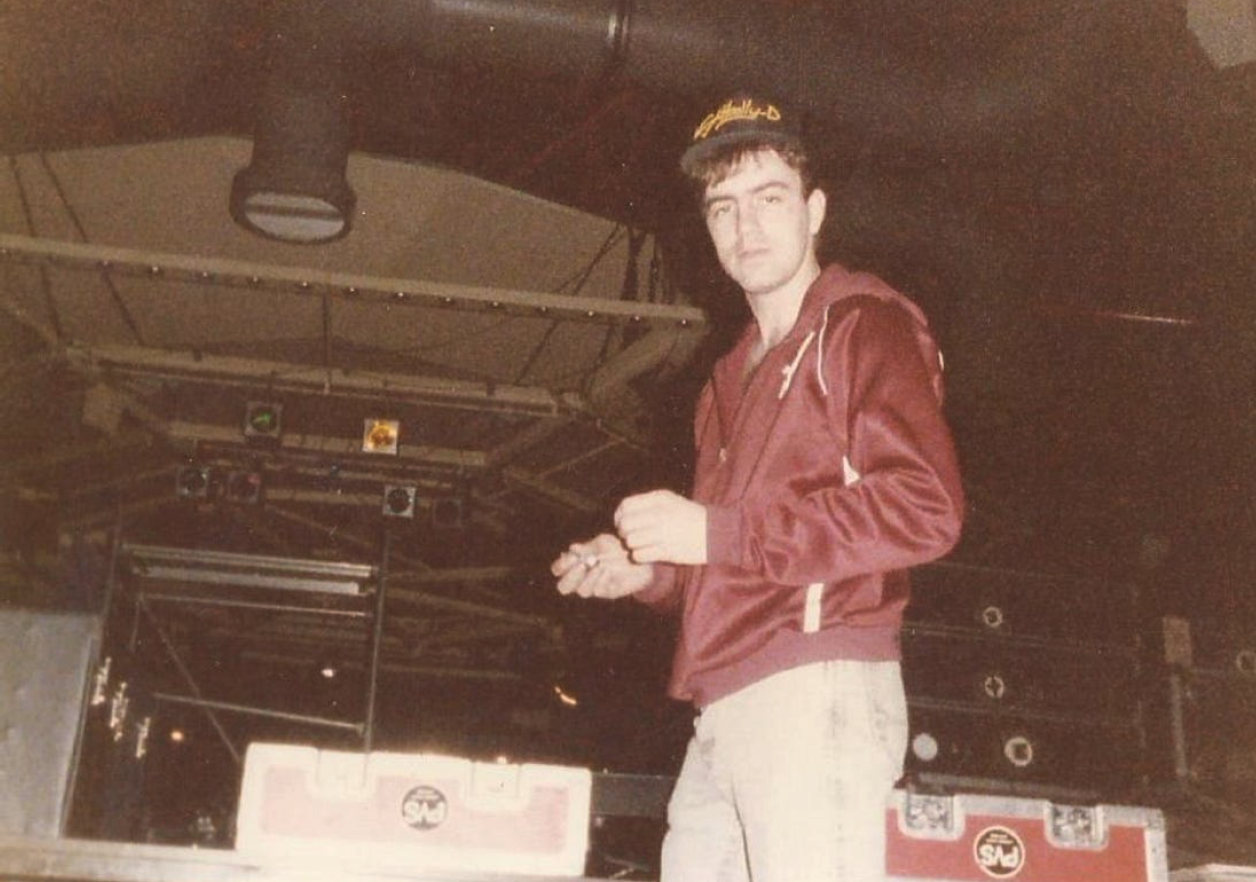
Talk to Chris Schwartz long enough and a pattern emerges: almost none of it was inevitable. A failed dance duo, a chance stack of records leaning against a wall, a cassette handed off at the right moment over and over, Chris turned dead ends into on-ramps for other people’s genius. That is the throughline of everything above. He didn’t just sign acts; he built the room they needed to become themselves, whether that meant refusing to tell Cypress Hill what they could rap about, putting Schoolly D on a plane to Europe before anyone there had seen a DJ and an MC together, or staying out of the way while Lauryn Hill and the Fugees found their sound on the road.
That’s what makes Chris Schwartz a true Culture Builder, hip-hop royalty and not just a label boss.
Gold and platinum plaques measure output, but they don’t capture what he actually did: he built infrastructure, an artist management company, a music promotions company, multiple music labels, various distribution deals, multiple sounds, a philosophy of getting out of an artist’s way that other people’s culture could stand on. Thirty-plus years later, from Ruffhouse’s original run to RuffNation’s vinyl business today, he’s still doing it, betting that the next unconventional act is worth the same leap of faith Nas, Cypress Hill, and the Fugees once were.


Add comment